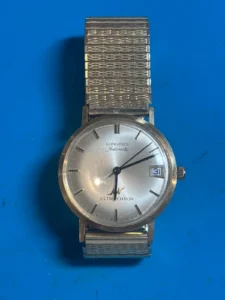
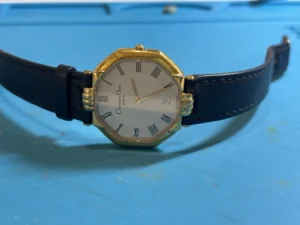
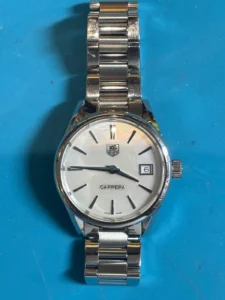
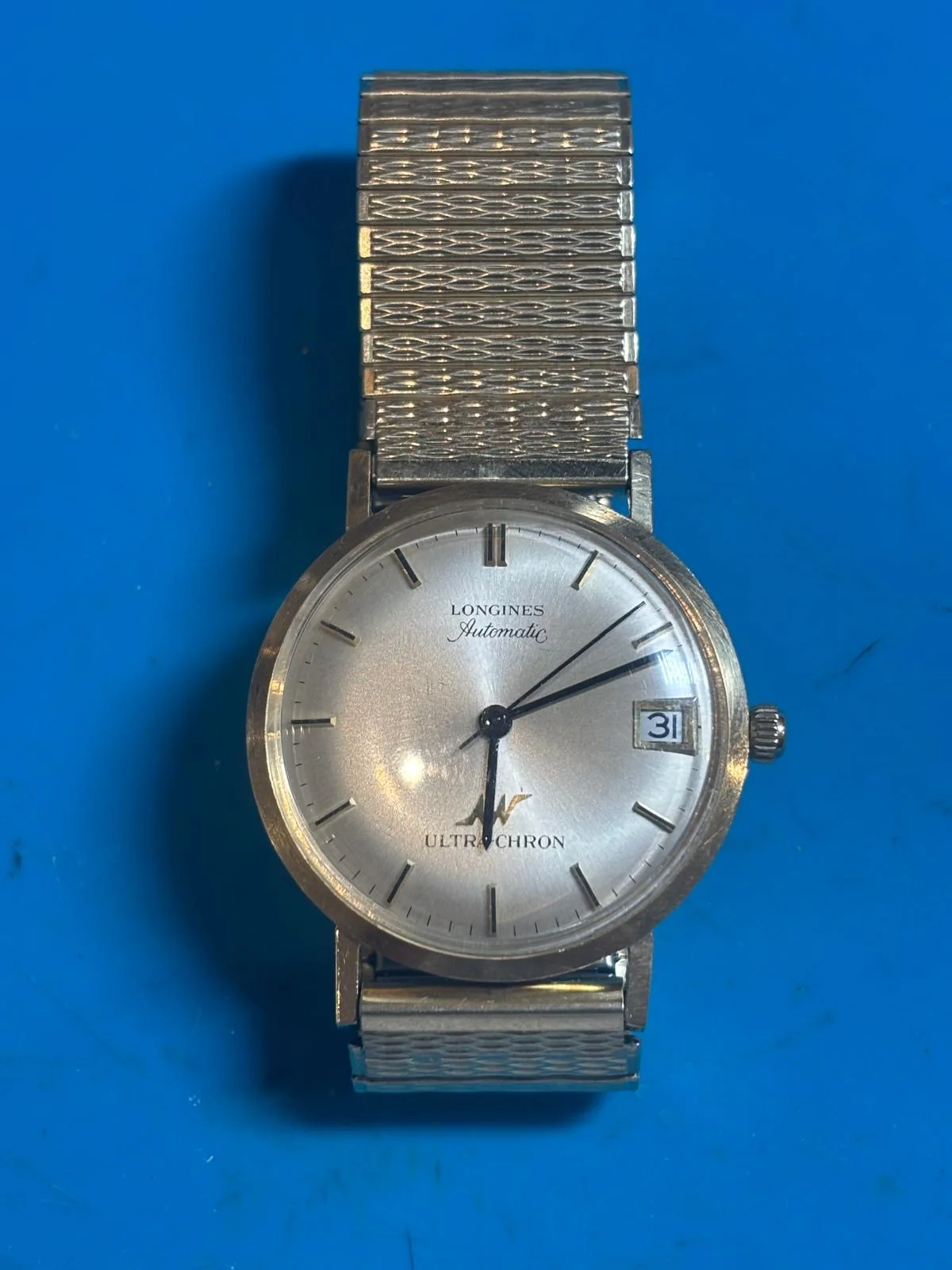
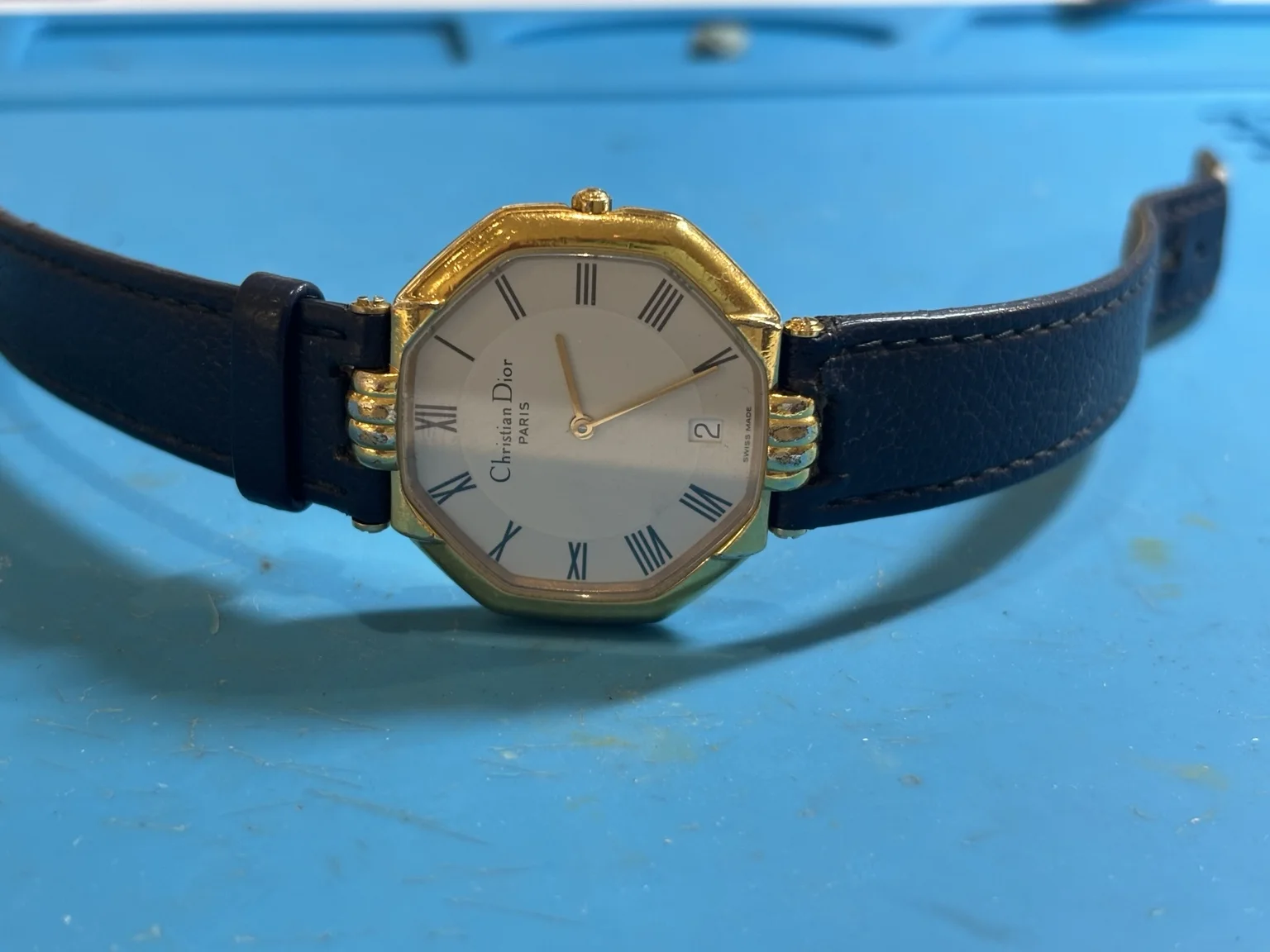
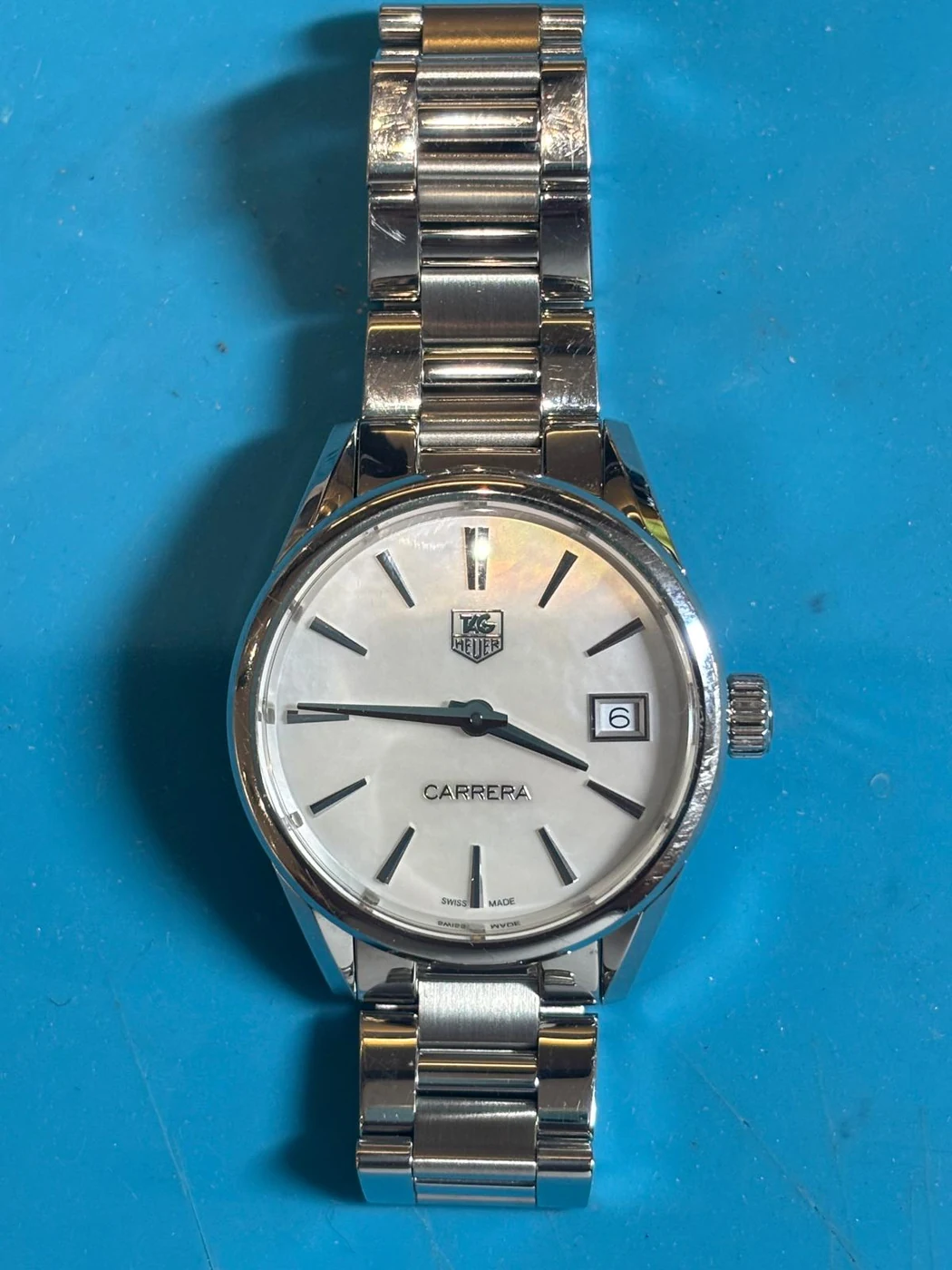
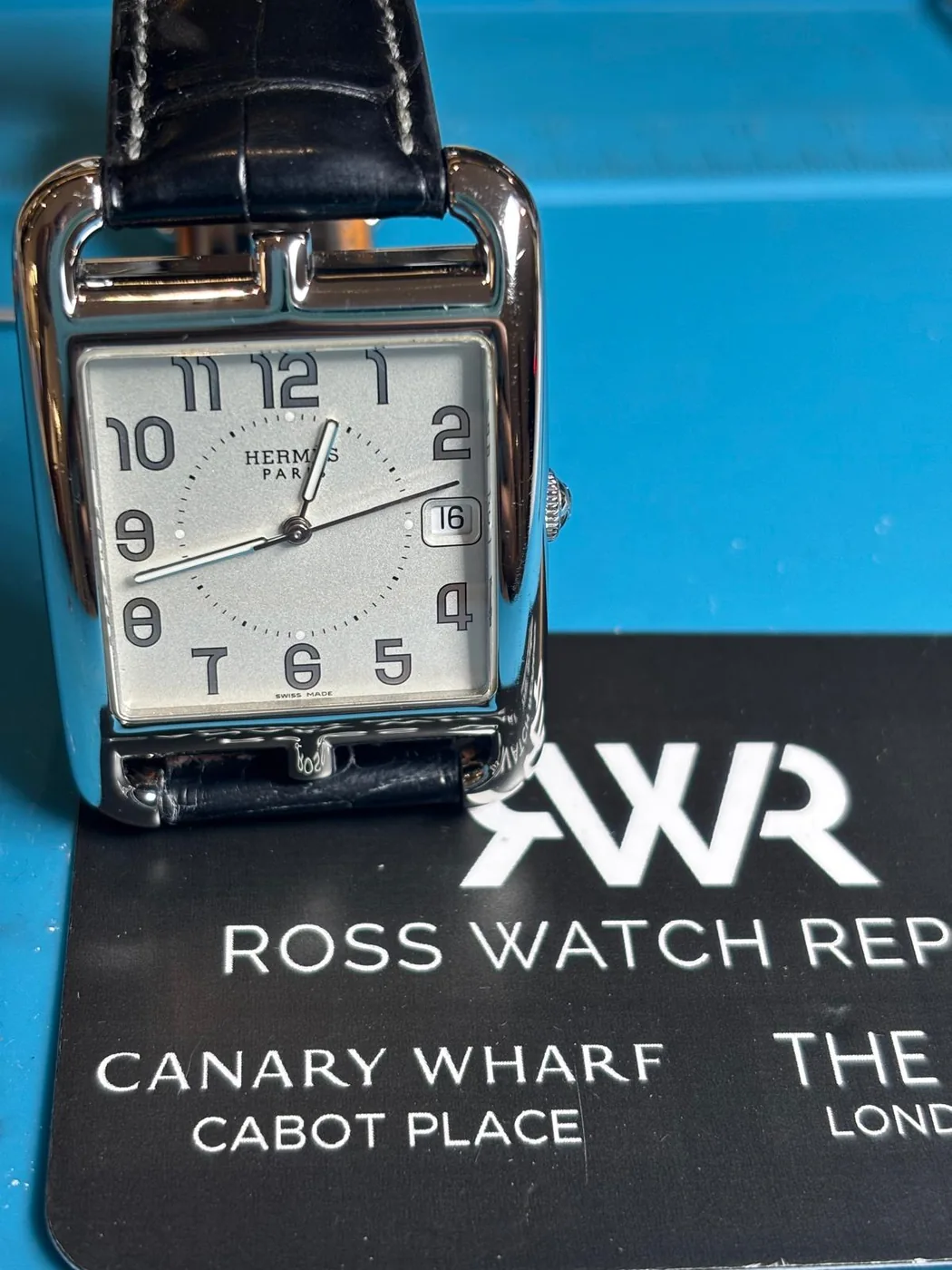
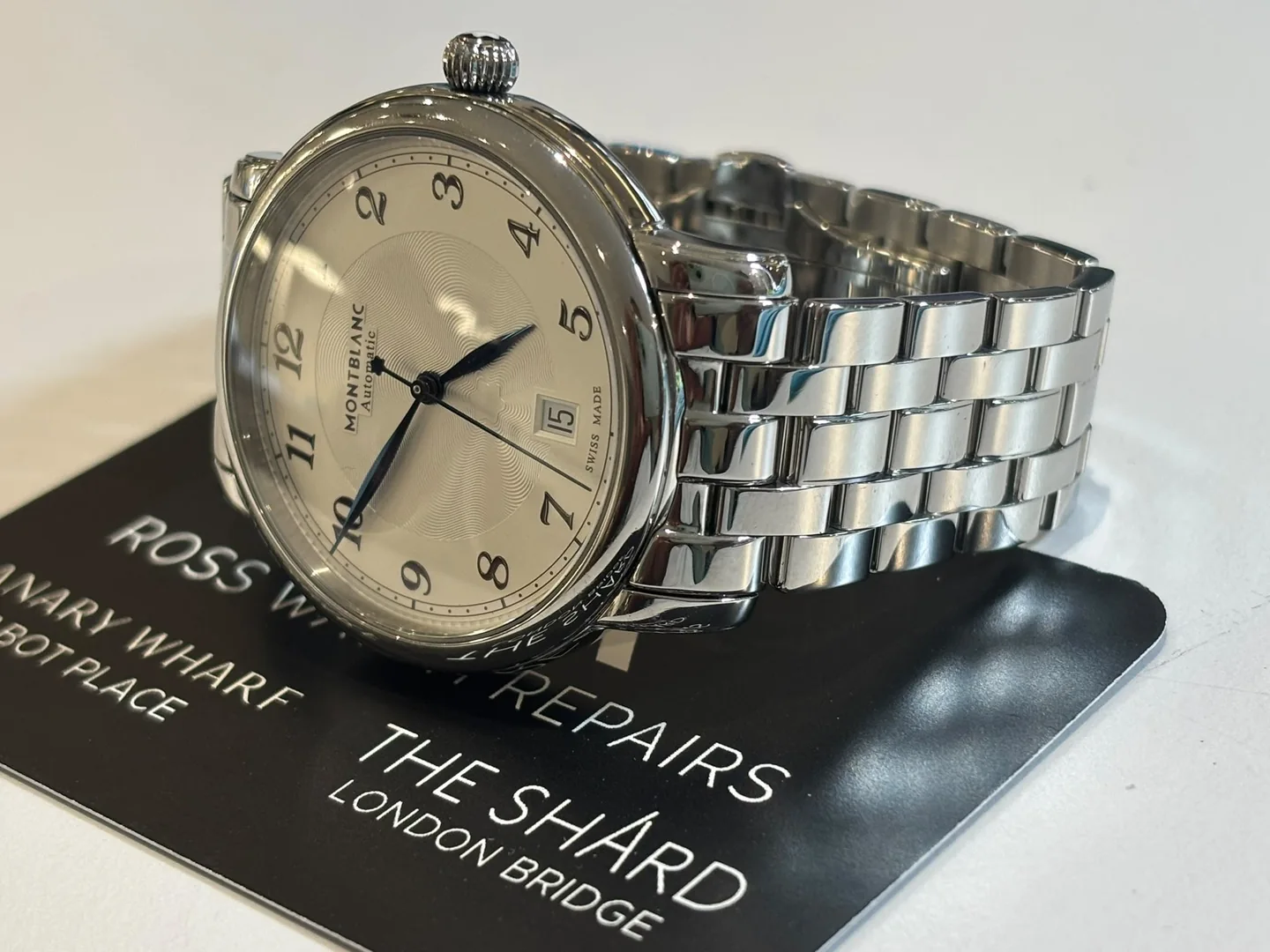
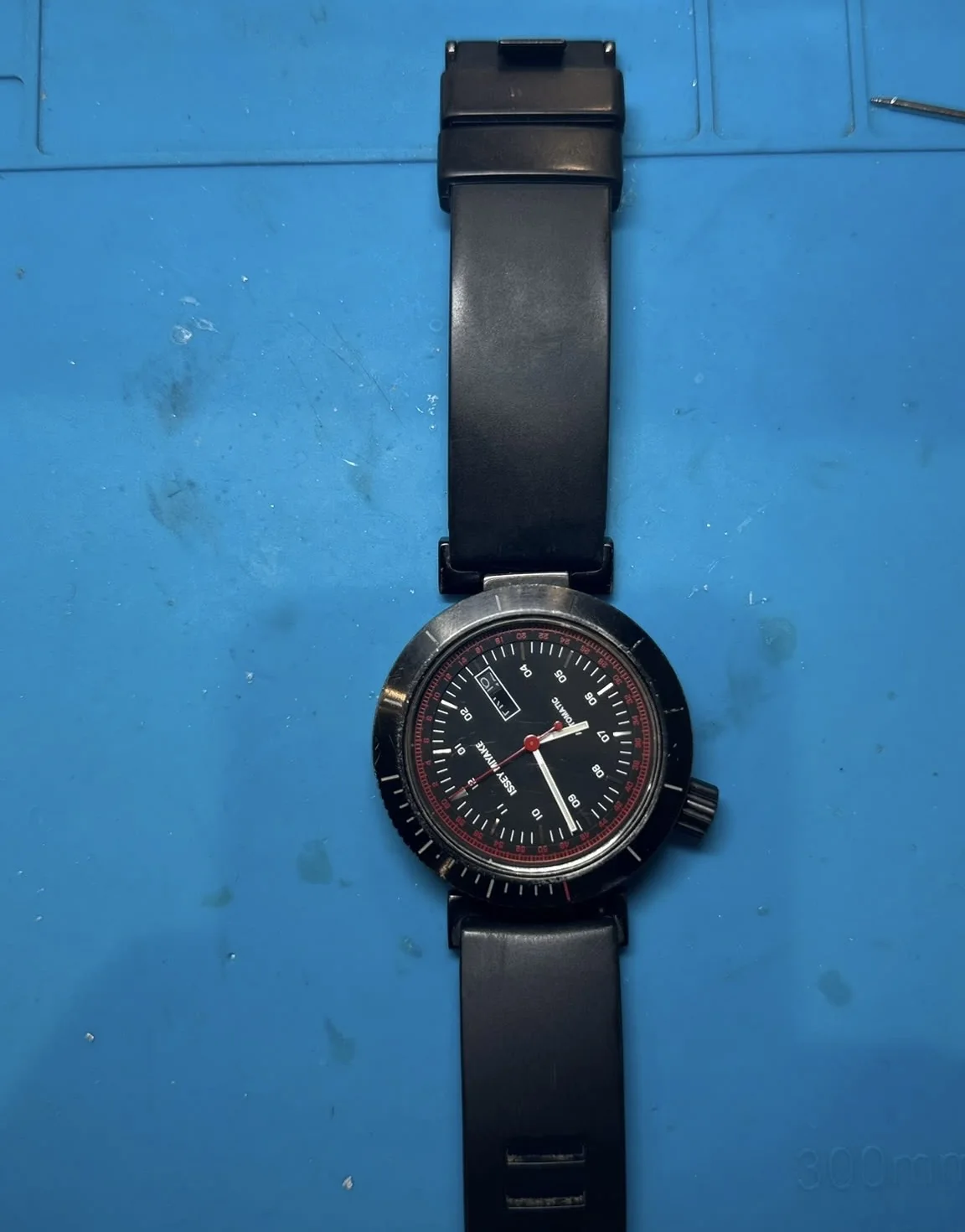
A luxury watch is more than something you wear to tell the time. It is a precise mechanical instrument, a valuable accessory and, in many cases, a long-term investment. Whether you own a Rolex, Omega, TAG Heuer, Breitling, Longines, Tissot or another premium watch brand, regular servicing helps protect its accuracy, appearance and reliability.
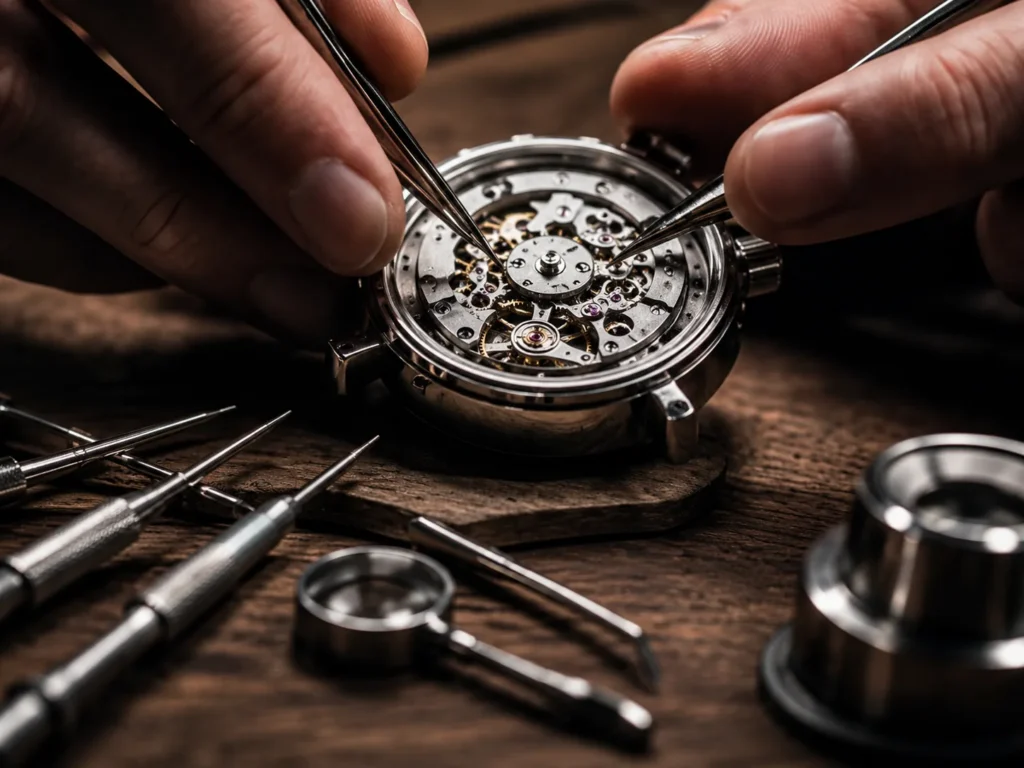
But one of the most common questions customers ask is simple:
How often should a luxury watch be serviced?
The answer depends on the type of watch, how often it is worn, the conditions it is exposed to and whether it is showing any signs of wear. As a general guide, many mechanical and automatic watches benefit from professional servicing every few years, especially if they are worn regularly. However, some modern watches may go longer between services depending on the movement, condition and manufacturer guidance.
At Ross Watch Repairs, we regularly inspect watches that have not been serviced for years and are only brought in once a problem becomes obvious. By that point, a relatively straightforward service can sometimes become a more involved repair.
Why Luxury Watches Need Servicing
A mechanical or automatic watch contains a movement made up of tiny components working together under constant tension and motion. These parts need to stay clean, lubricated and correctly adjusted.
Over time, the oils inside the movement can dry out or spread away from the areas where they are needed. Dust, moisture and general wear can also affect performance. When this happens, the movement may start to lose accuracy, stop unexpectedly, or place unnecessary strain on internal components.
A professional watch service helps to:
- Maintain accurate timekeeping
- Reduce wear inside the movement
- Check seals and water resistance where applicable
- Identify early signs of damage
- Extend the life of the watch
- Protect the value and condition of the timepiece
Servicing is not just about fixing a watch once it has gone wrong. It is preventative maintenance.

Signs Your Luxury Watch May Need a Service
You should consider having your watch inspected if you notice any of the following:
1. The Watch Is Losing or Gaining Time
All mechanical watches have a degree of natural time variation, but a noticeable change in accuracy can be a sign that the movement needs attention.
If your watch has suddenly started running fast, slow, or inconsistently, the movement may need cleaning, lubrication or adjustment.
2. The Watch Stops Unexpectedly
If an automatic watch stops even after being worn, or a manually wound watch stops sooner than expected, there may be an issue with the power reserve, mainspring, winding system or internal movement.
This is one of the clearest signs that the watch should be inspected.
3. The Crown Feels Stiff or Loose
The crown is used to wind the watch, set the time and, in some cases, adjust the date. If it feels unusually stiff, loose, rough or difficult to turn, do not force it.
A problem with the crown or stem can lead to further damage if ignored.
4. There Is Moisture Inside the Watch
Condensation under the glass is a serious warning sign. Moisture can damage the dial, hands and movement, especially if left untreated.
If you see fogging, droplets or mist inside the watch, it should be inspected as soon as possible.
5. The Watch Has Not Been Serviced for Many Years
Even if the watch appears to be working, old oils and worn components can create problems over time. A watch that has not been serviced for several years may benefit from a professional assessment.
This is especially important for watches that are worn daily or have sentimental or financial value.
How Often Should You Service a Quartz Watch?
Quartz watches are generally lower maintenance than mechanical or automatic watches, but they still need care.
The most common requirement is a battery replacement. Depending on the watch and battery type, this may be needed every few years. When replacing the battery, it is also sensible to check the condition of the case, crown, seals and general operation.
If a quartz watch stops, it may simply need a new battery. However, if the battery has leaked, the movement has become damaged, or the watch still does not work after a battery replacement, further repair may be needed.
At Ross Watch Repairs, we can inspect quartz watches and advise whether a simple battery replacement is enough or whether the watch needs further attention.
Does Water Resistance Need Checking?
Yes. Water resistance is not permanent.
Even if a watch was originally water-resistant, the seals can age, dry out or become damaged. This is especially important if you wear your watch while washing your hands, swimming, travelling, exercising or working in environments where it may be exposed to moisture.
A watch can lose water resistance without showing any obvious external signs. That is why checks are important, especially after the case has been opened for battery replacement or servicing.
If your watch is regularly exposed to water, it is worth having the seals and water resistance checked more frequently.
FAQ's
How often should I service my luxury watch?
As a general guide, many mechanical and automatic watches benefit from servicing every 3 to 5 years if worn regularly. However, the exact interval depends on the brand, model, age, condition and how the watch is used.
Does a quartz watch need servicing?
Quartz watches usually need less maintenance than mechanical watches, but they still require battery replacements and occasional checks. If a quartz watch stops or behaves irregularly, it may need more than just a new battery.
What happens if I do not service my watch?
Old oils, worn parts, moisture and dirt can affect the movement over time. If left too long, this can lead to poor accuracy, stopping, or more complex repair work.